How to Film a Traffic Violation So Your Report Is Accepted
A lot of valid reports get rejected — not because there was no violation, but because of how the video was filmed. The car really was driving into oncoming traffic or parked on the sidewalk, but the footage didn't prove it clearly enough.
This guide is based on a review of real reports we submitted to the police: which ones were accepted, which were rejected, and why. The examples below are from those videos (license plates blurred). Follow these rules and far more of your reports will go through.
Send it within 7 minutes
The police compare when a video was filmed with when the report arrived, and reject late reports however well the violation was filmed. Their own app gives you 10 minutes after filming to send a clip, then discards it.
That is why our team doesn't review car reports in advance: you send them yourself, from the “A car breaking traffic rules” section. There you have 7 minutes after filming to send; the other 3 go to processing and delivery. A timer shows how much is left.
- Film the car right on the page. Recording stops by itself at 70 seconds.
- Choose the violation, enter the plate and send. The page shows the time you have to do it by.
- The police don't accept reports from crossroads with traffic cameras. The page warns you about that.
The section is sometimes paused, and while it is, a car report can't be sent to the police through us.
The logic behind parking
Before you film a parking violation, it helps to understand the logic of the rules — it decides what even counts as a violation.
In Armenia the principle is "everything is allowed unless it is expressly prohibited." Under the RA Traffic Rules, stopping and parking are permitted by default: on the right side of the road, on the shoulder, or — where there is none — at the edge of the carriageway. Only then comes the list of places where you may not stand: the sidewalk, a pedestrian crossing, the second row, within 5 meters before a crossing, a yellow-line zone, or a prohibitory sign. On Yerevan streets, parking is free by default — paid zones exist only in the center. The wording here is inherited almost verbatim from the Soviet traffic code, so the logic matches Russia and other post-Soviet countries.
Western Europe is often cited as the opposite case, but formally it runs on the same principle — the difference is not the law, it's the density of regulation. In Western European city centers the curb is almost entirely covered by paid, resident-permit, and marked zones, so there's nowhere to "just leave the car at the curb," and drivers get used to hunting for a specifically designated spot. Yerevan has almost none of that layer, so the permissive default still governs most streets.
This changes what your report is really about. Here, a car standing on the street is not a violation in itself, even if it's parked awkwardly, unattractively, or "wherever." A violation arises only when the car breaks a specific prohibition: mounting the sidewalk, standing on the crossing, in the second row, under a sign, or on a yellow line. So your job is to film not "a car that's in the way" but the specific prohibition being broken: that sidewalk, that crossing, that sign or marking. If there's no prohibition, the parking is legal, and the report will be rejected no matter how much it annoys you.
What you can report — and what usually passes
The police handle violations on public roads. Here are the ones that reliably go through when filmed properly, and the articles of the RA Code of Administrative Offences they fall under:
- Driving in the oncoming lane. Entering the oncoming lane (not to overtake or to pass an obstacle) — Article 124, part 18 (fine 25,000 AMD, 4 demerit points). Driving against traffic on a one-way road — part 14 (20,000 AMD, 3 demerit points). Film continuously, so the car is seen driving on the wrong side.
- Crossing a solid line (single or double — it doesn't matter). A solid line separating opposing traffic — part 2 (10,000 AMD, 1 demerit point); any other solid marking — part 1 (5,000 AMD).
- Running a red light. A full red only — not yellow, not flashing. The frame must show the red light, the stop line, and the car crossing it. Article 124.3 (25,000 AMD, 2 demerit points).
- Parking violations: in the second row — Article 124, part 22 (10,000 AMD, 0.5 demerit points) if it forces others to stop or drive around, otherwise the generic part 21 (5,000 AMD, 0.25 demerit points); parked not parallel to the curb — part 25 (5,000 AMD).
- Sidewalk: parking on it or driving along it — Article 124, part 27 (20,000 AMD). The sidewalk is for pedestrians.
- Stopping or parking on a pedestrian crossing. On the crossing itself — Article 124, part 26 (15,000 AMD, 1 demerit point). Stopping within 5 meters before the crossing (in the direction of travel) is also prohibited — Traffic Rules clause 84, point 4.
The police make the final call on which article applies, and fine amounts change over time — treat these figures as a guide, not a verdict.
Sources: the RA Code of Administrative Offences (Article 124 and 124.3) and the RA Traffic Rules (stopping, parking, pedestrian crossings — clause 84) — official texts on arlis.am.
What usually won't pass
- Parking in courtyards and residential-complex grounds. These are not public roads; how a courtyard is used is up to the residents (or no one). The police do not handle these reports.
- Lines painted by residents, a building, or a shop to "reserve" a spot have no legal force.
- Ambiguous surfaces: courtyard dirt strips, driveways, building-side passages, unpaved verges — it isn't clear this is a public sidewalk.
- "Parking on the lawn" or damage to greenery is a municipal matter, not a traffic violation.
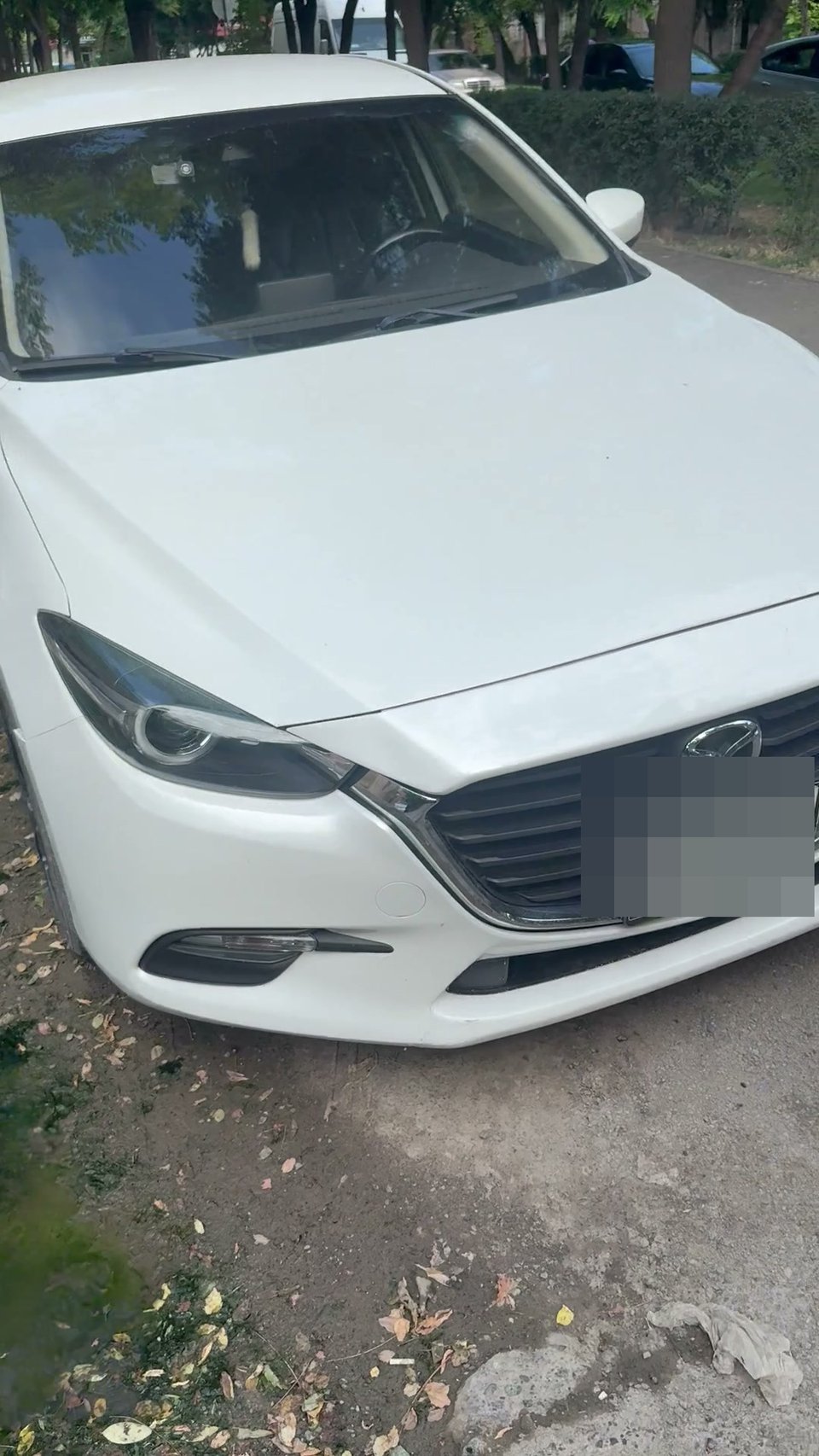
How to film it so it is accepted
1. One violation, one car — one video
Don't walk down the street filming a whole row of parked cars in one clip. When the video shows many cars, the reviewer can't tell which one you are reporting, and can't confirm that a specific plate is committing a specific violation. Reports filmed this way are almost always rejected.
Film each car as its own video: walk up to the one car, show it, move on.
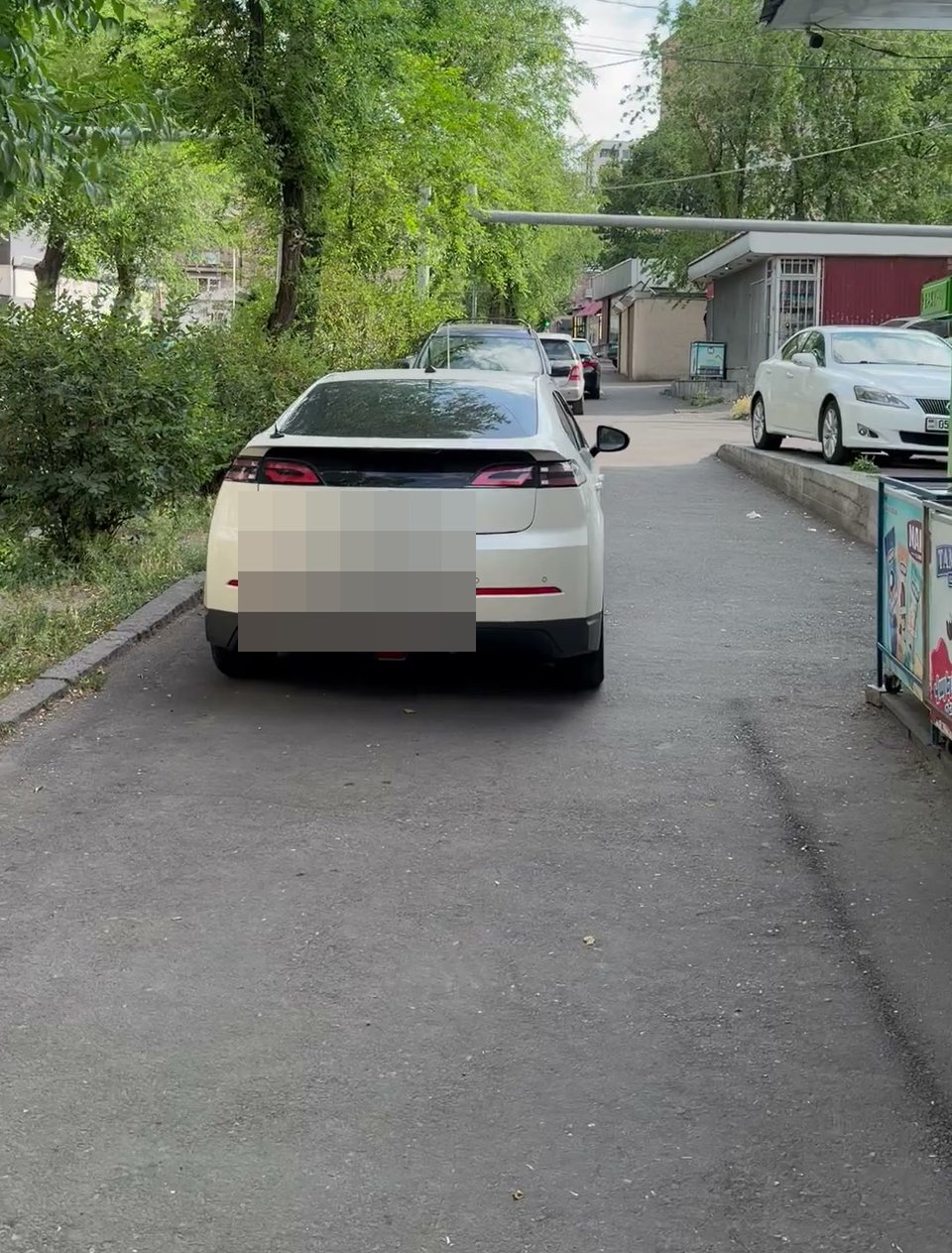
2. Show the license plate clearly
Hold the camera steady on the plate for a couple of seconds so every character is legible. The fine is issued to the plate, so if it can't be read, the report is worthless. A blurry, partial, or shaky plate is an automatic rejection.
3. Tie the plate to the violation in one continuous shot
The video has to show, in a single continuous frame, both the plate and the violation itself — the car driving on the wrong side, running the red, or exactly where it is standing. Don't film the plate in one shot and the surroundings in another. The reviewer needs one view that ties a specific plate to a specific violation.
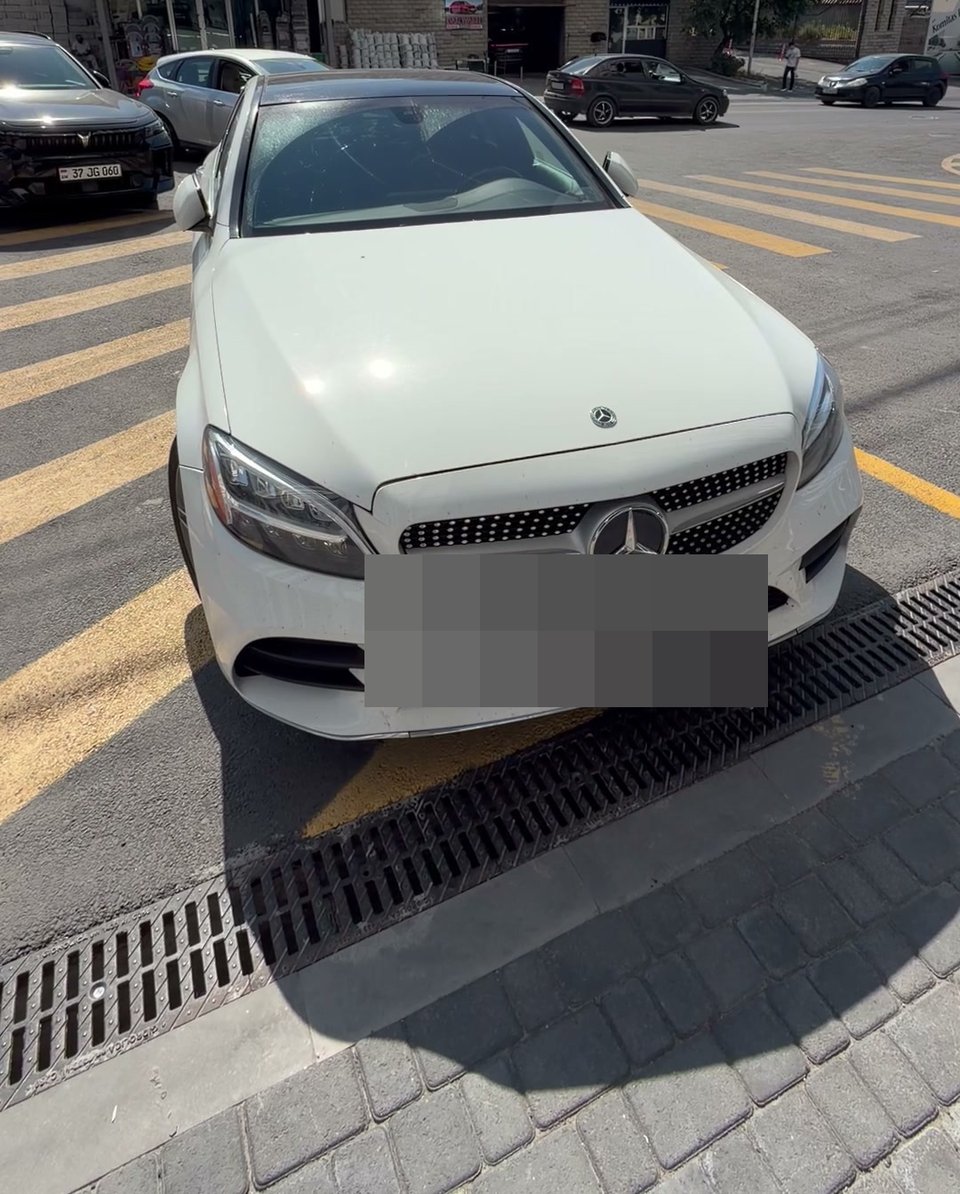
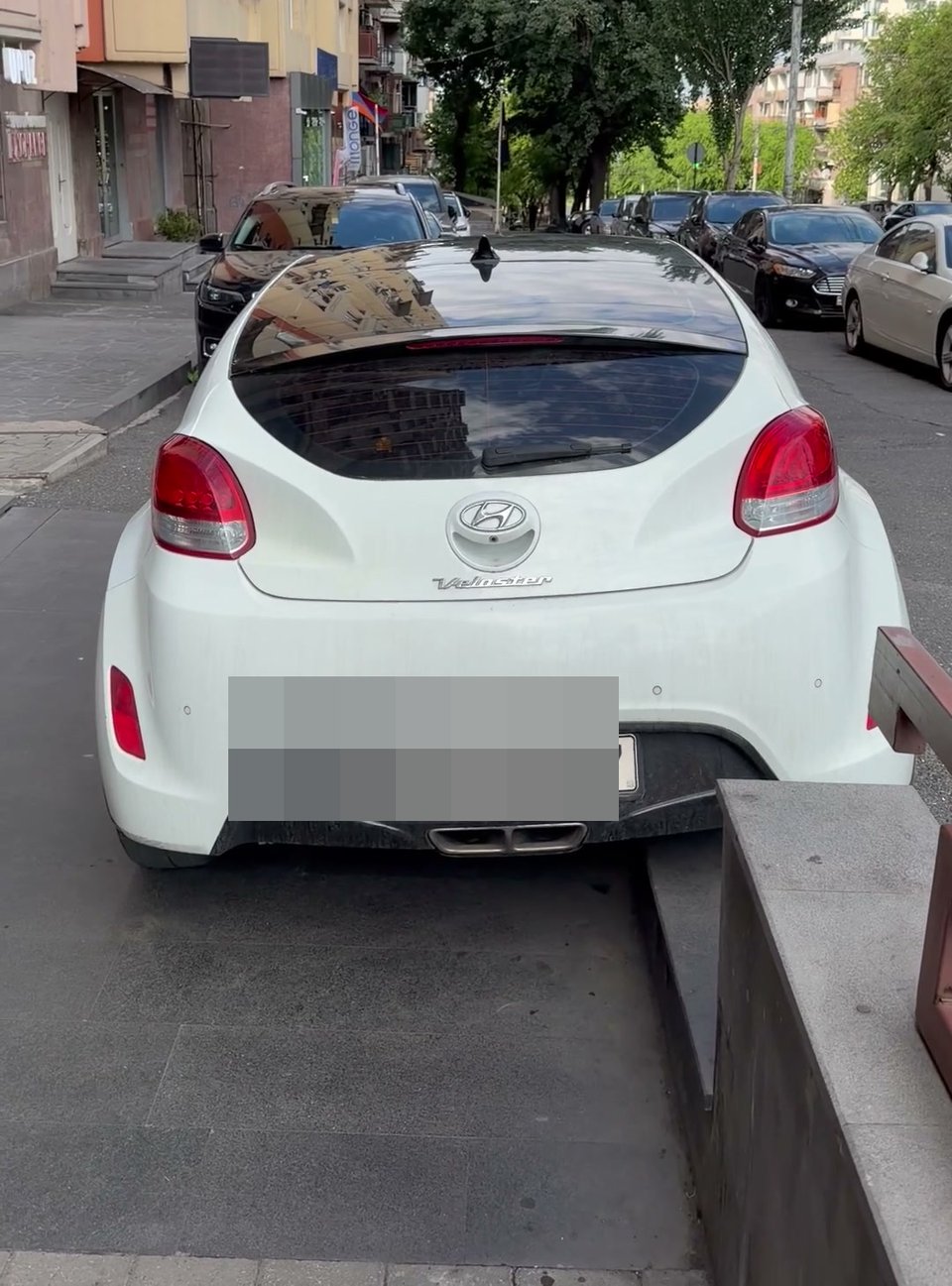
4. Film for at least 61 seconds
A photo or a two-second clip proves nothing. For parking, you have to show the car is actually standing still, not briefly stopped: the police only count it as parked when the car is seen not moving for over a minute. For moving violations (oncoming lane, red light), continuous footage proves the maneuver really happened and the video wasn't edited.
So film at least 61 seconds for each car, in one continuous take. Don't stop and restart the recording: any cut gives the reviewer a reason to doubt it. Recording on the page stops by itself at 70 seconds.
5. For parking, it helps to show there is no driver inside
An empty driver's seat is strong proof the car is actually parked, not briefly stopped. For parking reports that's a big plus: while the driver is at the wheel, the situation can be read as a brief, permitted stop and the report dismissed.
But it isn't required. For many violations a driver in the car is perfectly normal: driving in the oncoming lane, running a red light, driving on the sidewalk, stopping on a crossing or in a yellow-line zone. The empty seat matters only where everything hinges on the car standing still.
6. Make sure the marking is official, clear, and visible
A violation only exists against an official marking or sign — one placed on a public road. Signs of an unofficial marking: hand-painted, uneven, non-standard colors, labeled "reserved" or with names.
In Yerevan the color of the marking tells you what it means:
- A solid yellow line along the edge of the roadway or the curb means no stopping — you may not even stop there. A car standing in such a zone is a violation (Article 124, part 21).
- A broken yellow line means no parking — a brief stop is allowed, parking is not.
- Red, blue, white, and green lines are paid zones (red = Zone A in the center, blue = Zone B, white = service vehicles, green = paid with an EV charger).
- Pedestrian crossings in Armenia are painted yellow — a yellow "zebra" is the crossing.
If you are filming a violation on a sidewalk, the sidewalk must clearly read as a sidewalk: with a distinct curb or edge separating it from the roadway, and proper paving. A faint strip alongside a building does not count.
Finally, the marking (or a sign) must be clearly visible in the frame. If the line is worn or indistinct and there's no sign nearby, the reviewer can't confirm the violation — and the report is rejected. When in doubt, film violations tied to an unmistakable official marking (a crossing, a solid line, a yellow line) or to a road sign.
7. Protect your anonymity
Keep the camera on the violation, not on yourself. This is for your own safety, not a bureaucratic whim — there have been cases where people filming violations were tracked down and confronted. Nothing that identifies you should end up in the frame: your face, your reflection in the car's windows or mirrors, your shadow, distinctive clothing, your own car and its plate. Don't say your name out loud. The video becomes part of an official case file — film it so it can't be traced back to you.
General best practices
These aren't specific to Armenia — this is how citizen-reporting programs work in many countries (for example the UK's National Dash Cam Safety Portal and Moscow's civic-reporting app):
- Wide shot first, then the details. Film the whole situation, then move in on the plate and the marking. Don't lean on digital zoom — it smears the plate. Film horizontally and hold the phone steady.
- Never film while driving. If you're at the wheel, let a passenger or a mounted camera record it. Otherwise you risk action against yourself.
- Don't approach or confront the driver. Your job is to document it, not to have it out with them.
- Don't post the video on social media before it's handled: publishing it can undermine the case and expose you.
Quick checklist before you submit
- One violation, one car, filmed on its own
- Plate readable for a couple of seconds
- Plate and violation visible together in one continuous shot
- For parking, ideally show there's no driver in the car
- At least 61 seconds of continuous footage per car
- The marking is official and clearly visible — or there is a road sign
- Nothing in frame gives you away: face, reflection, shadow, your car
- A landmark or the street address is visible in the frame
- Sent within 7 minutes of filming, from the “A car breaking traffic rules” section
The police told us that late reports are rejected; the 10 minutes come from their app. The rest are patterns we found by reviewing which of our own reports were accepted and which were rejected; they are not official police rules. Following them noticeably improves the odds.